|
| |
|
|
Andhra Pradesh Towns/Cities |
|
|
|
|
|
Tirupati : An Introduction |
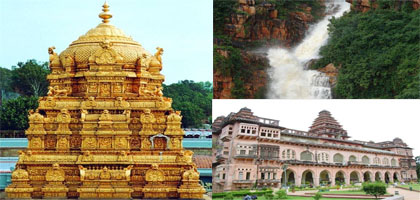 |
Tirupati/Tirumala is a pilgrimage center of great significance and is visited by hundreds of thousands of pilgrims throughout the year. Venkateswara, or Srinivasa or Balaji as the presiding deity Vishnu is known, is enshrined in this temple, located on a range of the Eastern Ghats, called the Seven Hills.It is an ancient temple and its glory has been sung by the saints of the yesteryears. One of the most important pilgrimage centers in India, the temple draws millions of pilgrims and is believed to be the busiest pilgrimage centre in the world.
Historical Places in Tirupati
|
|
|
|
Important Directories |
Tirupati : Hotel & Restaurant Directory :
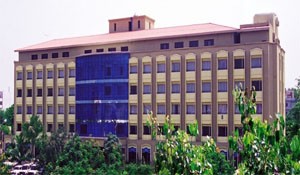
Tirupati City is located in the southeastern part of Andhra Pradesh, in Chittoor district. Tirupati and Tirumala are places well known all over India. Sri Venkateshwara, the presiding deity of Tirumalaor engadam, is revered by lakhs of people all over the country who visit His famous temple throughout the year, traveling long distances. |
 |
Tirupati : Gems & Jewellery Directory :
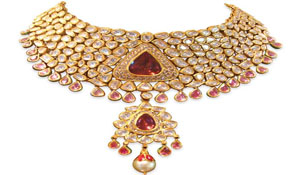
Tirupati is the main center for pearl jewelry in India and is famous world over. It is the largest center for pearl trading in the world and sells about 40-50 thousand kilograms of pearls per year. The erstwhile Nizam rulers of Tirupati laid the foundation of pearl jewelry in the 19th century. Skilled craftsmen, do processing and grading of pearls here.After the long process of grading and processing of pearls is over they are strung together by skilled knitters or patwas, using silk or gold strings. Different types of pearl necklaces are made in Hyderabad. |
 |
|
Distance Chart |
Agra - 1859 Km
Ahmedabad - 1725 Km
Akola - 1062 Km
Allahabad - 1684 Km
Amritsar - 2508 Km
Bangalore - 247 Km
Bellary - 363 Km
Bhopal - 1431 Km
Bhubaneswar - 1193 Km
Calcutta - 1634 Km
Cuttack - 1240 Km
Chennai - 152 Km
New Delhi - 2062 Km
Hubli - 1829 Km
Hyderabad - 652 Km
Indore - 1442 Km
Salem - 372 Km
Shimla - 2404 Km
Srinagar - 2937 Km
Vadodara - 1095 Km
Vijayawada - 409 Km
Vishakhapatnam - 791 Km
and more
|
|
|
|
|