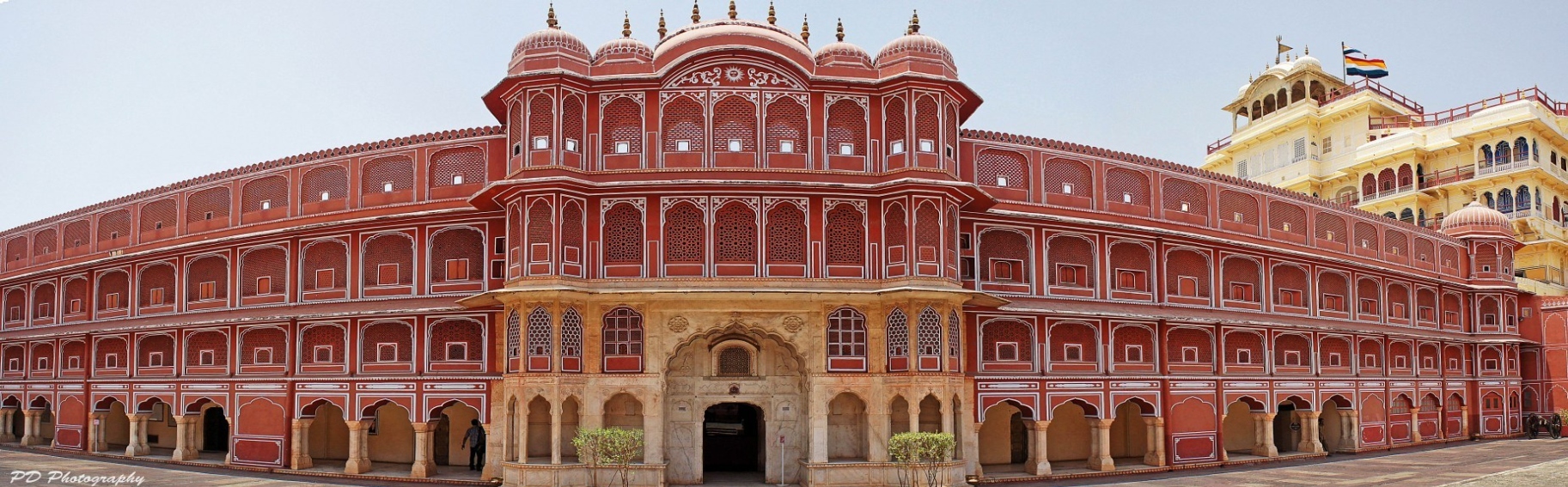
Jaipur City Guide
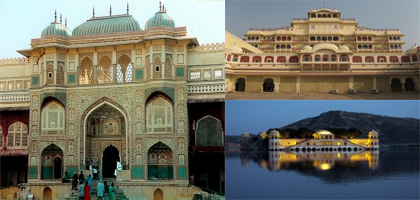
Jaipur is the capital and the largest city of the Indian state of Rajasthan. As of 2011, the city had a population of 3.1 million, making it the tenth most populous city in the country. Jaipur is also known as the Pink City, due to the dominant color scheme of its buildings. It is located 268 km from the national capital New Delhi. Jaipur was founded in 1727 by the Rajput ruler Jai Singh II, the ruler of Amer, after whom the city is named. It was one of the earliest planned cities of modern India, designed by Vidyadhar Bhattacharya
Places of Interest in Jaipur
Amer Fort
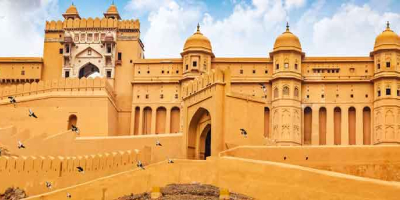
In the Pink City of Jaipur, cradled on the top of the Aravali Hill lies the Amer Fort, one of the most magnificent palaces in India. Also commonly known as the Amber Fort, this majestic building with its maze-like passages and serpentine staircases is an architectural masterpiece and with significant importance in Indian history. Only 11 kilometres away from the capital city of Jaipur, Amer Fort is clad in pink and yellow sandstone and is a part of an extensive complex. Built by one of the most trusted generals of Akbar, Maharaja Man Singh I in the year 1592, Amer Fort served as the main residence of the Rajput Rulers.
City Palace
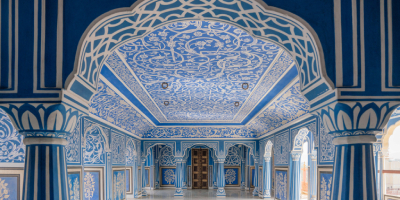
The magnificent City Palace in Jaipur is one of the most famous tourist attractions located in the old part of the city. Built by Maharaja Sawai Jai Singh during the years 1729 to 1732, the vast complex of the palace occupied one-seventh of the walled city. In fact, it was once the seat of the Maharaja of Jaipur. The palace is divided into a series of courtyards, buildings and gardens including the Chandra Mahal and the Mubarak Mahal. The museum showcases various unique handcrafted products and other things that belong to the royal heritage of the City Palace.
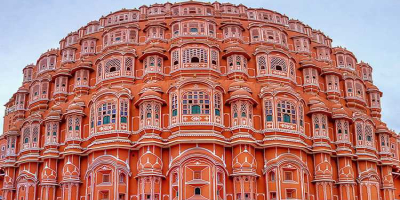
Hawa Mahal
The massive edifice of Hawa Mahal stands at the intersection of the main road in Jaipur, Badi Chaupad and was built by Maharaja Sawai Pratap Singh in the year 1799. Hawa Mahal derives its name from its unique structure, which is a mesh of small windows that allowed cool wind to enter the palace and hence kept the palace comfortable during the hot summer months. The main reason behind the palace's construction was to allow the women of the royal house to observe the festivities on the streets whilst being unseen from the outside as was the custom of the land.
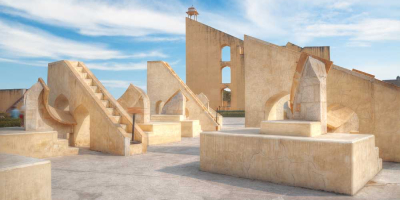
Jantar Mantar Jaipur
Located near the City Palace in the regal city of Jaipur, Jantar Mantar is the largest stone astronomical observatory in the world. Owing to its rich cultural, heritage and scientific value, Jantar Mantar in Jaipur has also been featured on UNESCO's list of World Heritage Sites. This ancient study boasts of nineteen instruments built out of stone and brass and was built by Raja Sawai Jai Singh in 1727-33. The intelligent construction and placement of these instruments allowed the observers to note the position of heavenly bodies with their naked eye alone.
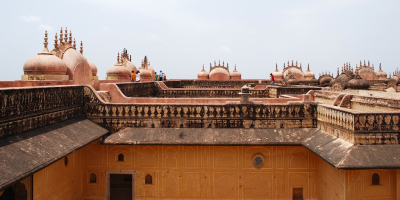
Nahargarh Fort
Nahargarh Fort is located in the Pink City of Jaipur and is one of the many countless palaces and beautiful historic buildings that speak of the magnificent and rich history of this city. Embellished with delicate carvings and stonework, the Nahargarh Fort is an impregnable structure, that together with its two neighbouring forts - Amer and Jaigarh, once stood as the strong defence of Jaipur city. The Fort was built by Maharaja Sawai Jai Singh II in the year 1734 as a retreat. With some breathtaking views of the city, the Nahargarh Fort is known for its extended wall that connects it to Jaigarh Fort.
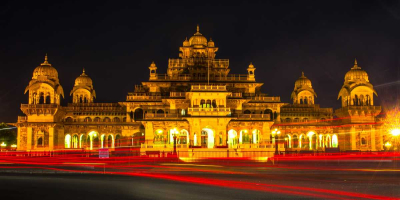
Albert Hall Museum
Situated in the Ram Niwas Garden of Jaipur, the Albert Hall Museum is the oldest museum in Rajasthan. Built in 1876, it was initially envisioned to be a concert hall and resembles the architecture of the Victoria and Albert Hall Museum in London, hence, the name. It is a standing example of the Indo-Saracenic architecture and is also known as Government Central Museum. Albert Hall Museum has an extensive collection of artefacts brought from the different regions of the world that are divided over a whopping 16 art galleries! The museum takes on a whole new facade as the night falls and the entire building glows with yellow lights, which looks extremely beautiful.
Jaipur Yellow Pages Categories
Important Directories
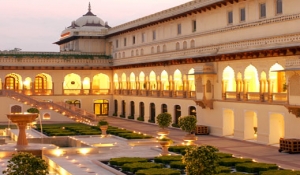
Jaipur : Hotel & Restaurant Directory
Jaipur is also known as the 'Pink City'. Jaipur is the capital of Rajasthan and also the capital of the Jaipur District. The picturesque city of Jaipur was founded in the year 1727 by the great Maharaja in the name of Sawai Jai Singh II. He was the ruler of Amber. Jaipur was actually the first planned city in India.
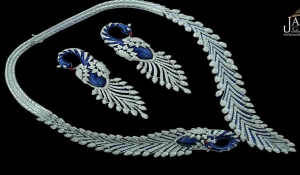
Jaipur : Gems & Jewellery Directory
Jaipur glitters with the fascinating and fine jewelry. The gems and stones of Jaipur are famous all over the world. When it comes to traditional Indian jewelry all the International buyers prefer Jaipur. Whether it is gemstones, traditional gold jewelry, antique silver jewelry, contemporary diamond jewelry or Indian costume jewelry, Jaipur is the hub for all kind of jewelry.
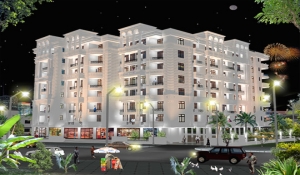
Jaipur : Real Estate Directory
Jaipur, The capital city of Rajasthan is also known as the Pinkcity. It is situated 262 kilometers from Delhi, capital of India. Jaipur is the first planned city in North India. It is one of the fastest growing business centers of Northwest India. Jaipur is one of the famous for its Real Estate business.
Jaipur Latest Classifieds
{{ classified.classifiedDescription }}
Category: {{ classified.categoryName }}