Agra City Guide
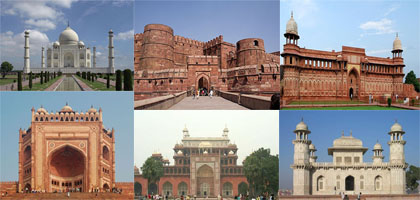
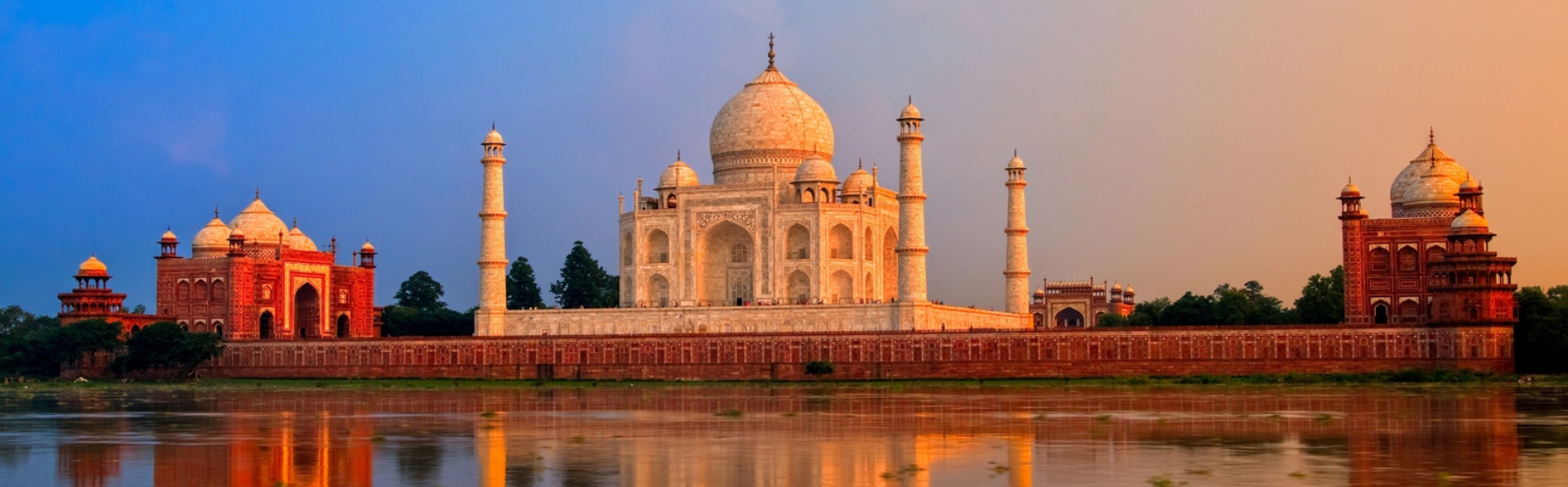
Agra, or the city of the Taj, as it is known all over the world, forms the first destination on the itinerary of most travelers coming into India. Forming part of the famous 'Golden Triangle' (Delhi-Jaipur-Agra), it is placed on the western bank of the Yamuna. The magnificent Taj Mahal which is the pride of this city is set around a Charbagh or 'four garden' plan, which is split by watercourses - a reflection of the Persian style.
Places of Interest in Agra
Taj Mahal
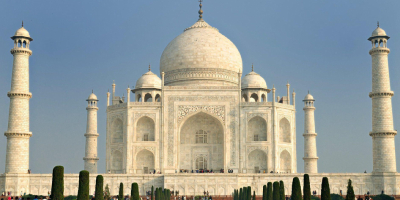
One of the seven wonders of the world, Taj Mahal is located on the banks of River Yamuna in Agra. It was built by the Mughal Emperor Shah Jahan as a memorial for his third wife, Mumtaz Mahal. It also houses the tomb of Shah Jahan himself. Constructed entirely out of white marble in the 17th century, Taj Mahal is one of the most beautiful monuments in the world. Every year visitors numbering more than the entire population of Agra pass through the magnificent gates to catch a glimpse of this breathtaking monument!
Fatehpur Sikri
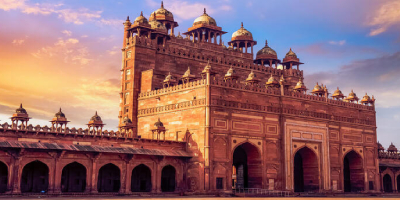
Located at a distance of 40km from Agra, Fatehpur Sikri is a town in Agra district and a famous tourist attraction. A city predominantly made of red sandstone, Fatehpur Sikri was founded in 1571 century by Mughal Emperor Akbar. It is essentially a fortified city built by the king and had been the capital of his Empire for fifteen years. Now a UNESCO world heritage site, it is home to Jodha Bai's Palace, Jama Mosque, Buland Darwaza, and Tomb of Salim Chisti among many other famous monuments
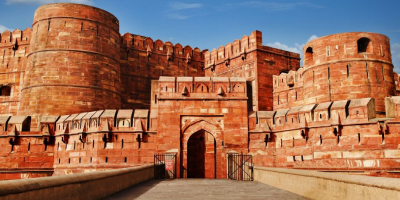
Agra Fort
An architectural masterpiece, The Red Fort of Agra or Agra Fort was built by Emperor Akbar in 1573. It is located on the right bank of the River Yamuna and is made entirely of red sandstone. The historical fort was once the ersthwhile residence of the Mughals until 1638. One of the UNESCO World Heritage Sites, it lies 2.5 kilometres from Taj Mahal.
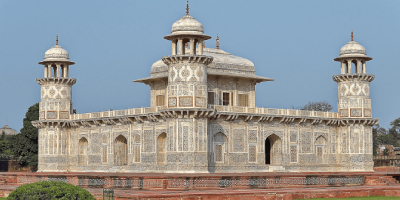
Itimad-ud-daulah's Tomb
Often referred to as the "Baby Taj Mahal", the tomb of Itimad-ud-daulah is a Mughal mausoleum and often regarded as a copy of the Taj Mahal. This is the first tomb in India made entirely of marble. The tomb was commissioned by Nur Jahan, the wife of Jahangir, for her father Mir Gheyas Beg (later known as Itimad-ud-daulah), who was a minister in the court of Shah Jahan.
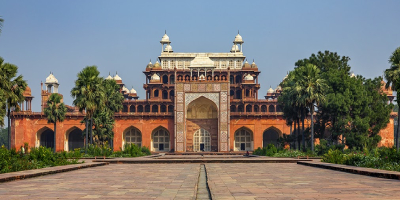
Akbar's Tomb
The final resting place of Mughal Emperor Akbar, Akbar's Tomb is situated in Sikandra, the outskirts of Agra and spreads over an area of 119 acres. An important architectural masterpiece of the Mughal era, it was built between 1605 and 1618. Built entirely out of sandstone and white marble, Emperor Akbar himself oversaw the construction of this tomb until his death. Unlike the other tombs of famous Muslim kings around the world, the Tomb of Akbar faces towards the rising sun instead of Masjid of Mecca.
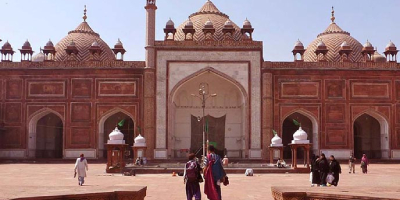
Jama Masjid Agra
Jama Masjid at Agra also known as 'Friday Mosque' is a seventeenth-century structure and is one of the largest mosques built by the Mughals in India. Constructed under the reign of Shah Jahan in 1648, Jama Masjid is dedicated to his favourite daughter Jahan Ara Begum. This splendid monument is visible from the Agra Fort with the Agra Fort Railway station right between the two structures.
Agra Yellow Pages Categories
Important Directories
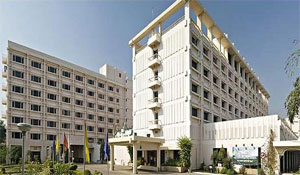
Agra : Hotel & Restaurant Directory
Agra is one of the most beautiful cities in India - and nothing expresses this more than the world famous Taj Mahal. It's no surprise that this symbol of love was constructed in Agra - as the capital of the Mughal Empire, a city with architectural splendour and a thriving culture.
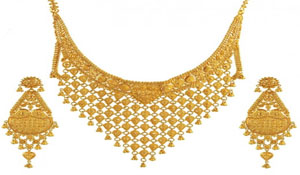
Agra : Gems & Jewellery Directory
Agra is not just famous for Taj Mahal but also for gems and jewellery. This sector plays a vital role in the economy of the state. The manufacturers and exporters of gems and jewellery in Agra produce both precious and imitation jewellery.They manufacture handmade gold jewellery like necklaces, bracelets, bangles, earrings, anklets, chains, pendants, brooches and rings, traditional gold jewellery, kundan gold jewelery, minakari jewellery, diamond jewellery like rings, wedding sets, bracelets, studded chains, pendants, brooches, earrings, studded bangles.
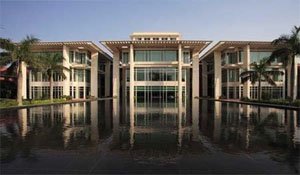
Agra : IT/ITES/BPO Directory
IT is the area of managing technology and spans a wide variety of areas that include computer software, information systems, computer hardware, programming languages but are not limited to things such as processes, and data constructs. In short, anything that renders data, information or perceived knowledge in any visual format whatsoever, via any multimedia distribution mechanism, is considered part of the IT domain. IT provides businesses with four sets of core services to help execute the business strategy: business process automation, providing information, connecting with customers, and productivity tools.
Agra Latest Classifieds
{{ classified.classifiedDescription }}
Category: {{ classified.categoryName }}