Lucknow City Guide
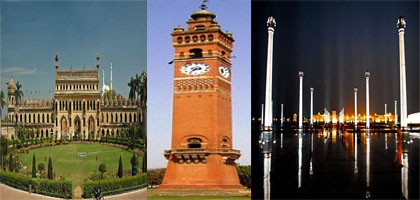
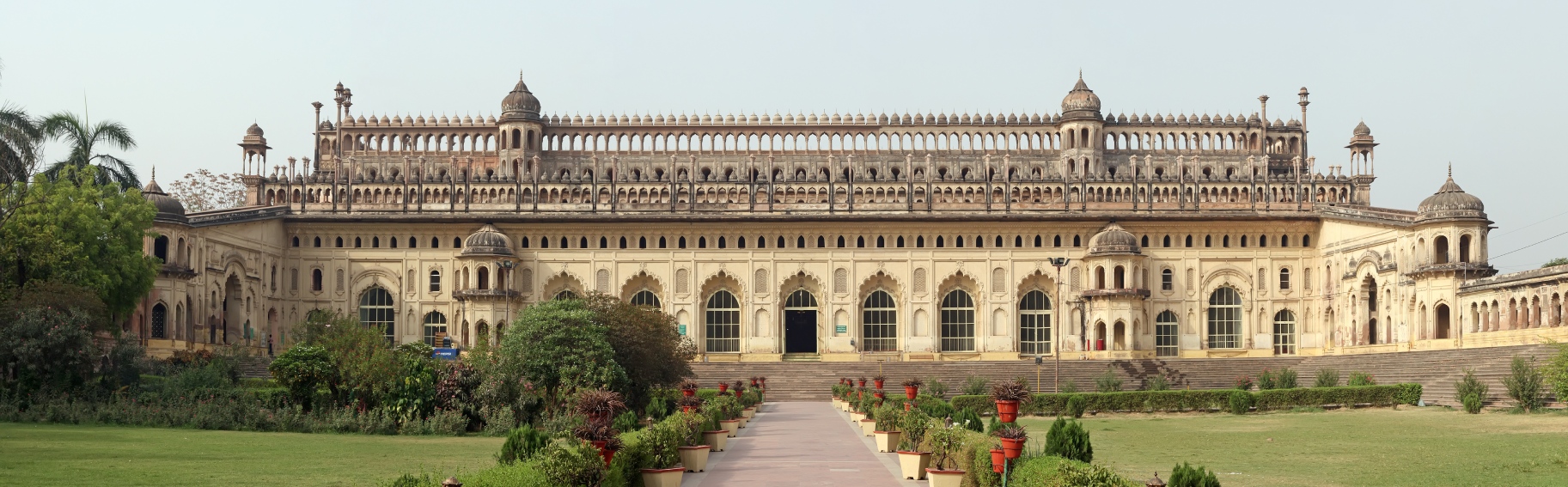
Lucknow, one of the most powerful cities in the medieval world is a part of Uttar Pradesh situated in the northern region of India. It is a part of the great northern plains and is situated on the west bank of river the Yamuna. Lucknow is also known for its elaborate cusine and 'Chikankaari' or exquisite shadow-work embroidery on fine Muslim cloth.Surprisingly, the story of Lucknow began not so very long ago. Though the city traces its origin to the Suryavanshi dynasty of Ayodhya in ancient times, and derives its name from Lakshmana (the brother of Lord Rama), Lucknow actually came into prominence during the 18th century.
Places of Interest in Lucknow
Bara Imambara
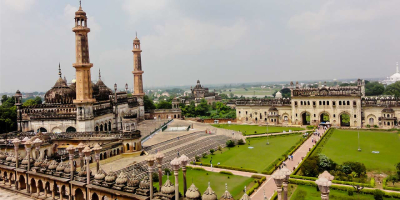
The Bara Imambara of Lucknow is one of the most famous monuments in the city. The Imambara is primarily known for its incredible maze, known as Bhul Bhulaiya locally, which is located on the upper floor of the monument. It is said that there are 1024 ways to get inside the maze but only 2 to come out. Also known as Asfi Imambara, after the name of the Nawab of Lucknow who got it constructed, it is an important place of worship for the Muslims who come here every year to celebrate the religious festival of Muharram.
Chota Imambara
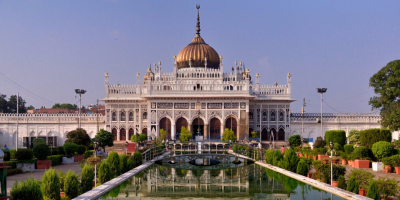
The Chhota Imambara, or the Imambara of Hussainabad, is one of the most beautiful and attractive buildings in the old city of Lucknow in Uttar Pradesh. This imposing monument lies to the west of Bara Imambara and is a true sight to behold. The Chhota Imambara was initially a congregation hall for Shia Muslims that was built by Muhammad Ali Shah, who was the third Nawab of Awadh, in 1838. The Imambara was to serve as his own mausoleum as well as that of his mother, who is buried beside him in this prestigious monument.
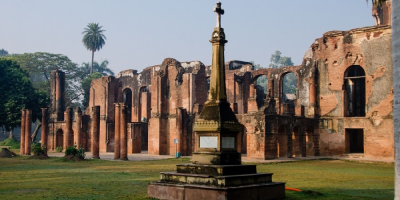
British Residency
The British Residency of Lucknow, which is also a Residential Complex served as the headquarters for the generals of the British East India Company. However, with the 1857 uprising, this once composed complex turned into a British refugee camp during that revolt. The fort is now in ruins and a British cemetery nearby sites the graves of all the colonisers who died during the Lucknow siege. The ruins are now protected by the Archaeological Survey of India.
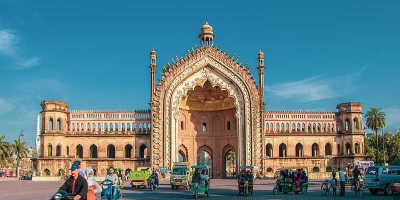
Rumi Darwaza
The famous Rumi Darwaza is a striking gateway standing tall at sixty feet tall in the old city of Lucknow. It lies between the Bara Imambara and Chota Imambara exhibiting ancient Awadhi architecture. Built by Nawab Asaf-ud-Daula, it is also known as the Turkish Gate because it is modelled after Bab-i-Humayun gateway in Turkey. The creation of Rumi Darwaza has a very charitable reason behind it. When famine struck North India during 1748, the then Nawab of Lucknow came up with a plan that would feed his countrymen as well as give him something to cherish and be proud of.
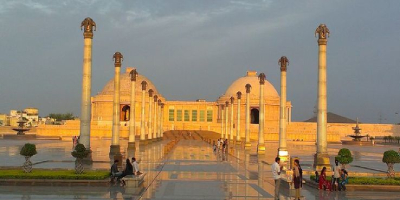
Ambedkar Memorial Park
Initially known as the Dr Bhimrao Ambedkar Samajik Parivartan Prateek Sthal, the Ambedkar Memorial Park is located on Vipul Khand of Gomti Nagar. It was constructed by the state government under the leadership of CM Mayawati. Built in the name of Dr BR Ambedkar, this public park is also dedicated to many other freedom fighters including Jyotiba Phule, Birsa Munda, Kanshi Ram and Sree Narayana Guru.
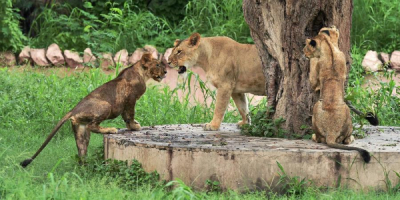
Lucknow Zoo
Located in the River Bank Colony, the Lucknow Zoo is a famous attraction in the city. Also known as the Nawab Wazid Ali Shah Prani Udyan, it was originally known as The Prince of Wales Zoological Gardens. The Lucknow Zoo is home to numerous mammals, birds and reptiles, the most famous ones being the royal Bengal tiger, white Bengal tiger, Himalayan black bear and Asiatic lion.
Lucknow Yellow Pages Categories
Important Directories
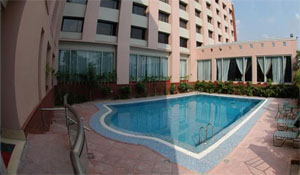
Lucknow : Hotel & Restaurant Directory
Lucknow has made its mark as a popular tourist destination. Courtly manners of the people, attractive gardens, music, poetry and fine cuisine are some of the characteristics of Lucknow, the capital of Uttar Pradesh. So, it is quite natural that people from far and wide come to this multicultural city. There are many categories of Hotels in Lucknow that cater to this wide clientele.
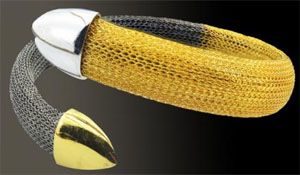
Lucknow : Gems & Jewellery Directory
Lucknow is one of the main center for pearl jewelry in India and is famous world over.Skilled craftsmen, do processing and grading of pearls here. After the long process of grading and processing of pearls is over they are strung together by skilled knitters or patwas, using silk or gold strings. Different types of pearl necklaces are made in Lucknow . Typical designs being Satlada (seven strands of pearls set with emeralds, diamonds and rubies, Kundan Ranihar (pearl sets with enamel kundan work), and the regular Jugni sets (several strands of pearls with a central pendant) and many more.
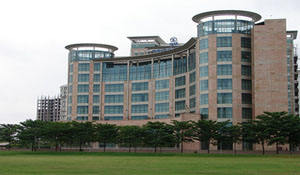
Lucknow : IT/ITES/BPO Directory
The government of Uttar Pradesh are striving to set up Bio-Technology and Information Technology (IT) companies in Lucknow city. A Biotechnology park has already been established for the purpose. Information Technology is being actively used to promote economic development. The traditional industry of Lucknow is the 'Chikan' embroidery handicraft industry. Chikan and 'Zardozi' are the traditional employers in Lucknow and they constitute the bulk of the small scale industries. Kite-making also employs a large number of people.
Lucknow Latest Classifieds
{{ classified.classifiedDescription }}
Category: {{ classified.categoryName }}