No new software developed: EC cites 'trade secrets', withholds SIR details
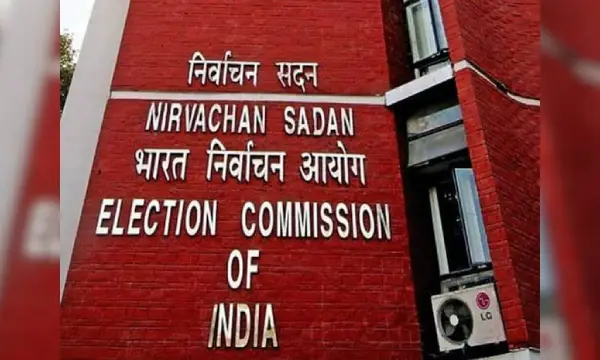
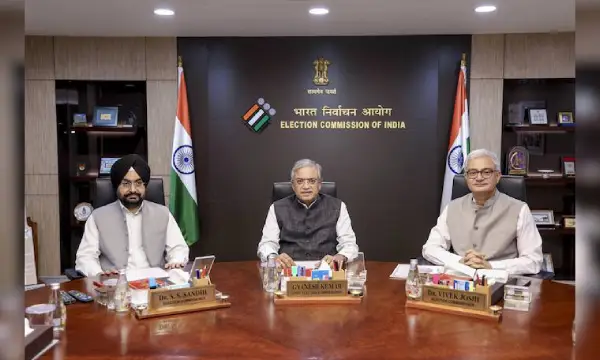
The Election Commission of India (ECI) has refused to disclose the name and version of the software used during the Special Intensive Revision (SIR) of electoral rolls, citing “commercial confidence”, “trade secrets” and “intellectual property rights.” The poll body, however, said it had not developed or procured any new software for the exercise.
In a response dated October 16 to a Right to Information (RTI) application filed by M A Mujeeb Ayyub on July 27, the EC said the information sought on the software was exempt from disclosure under Section 8(1)(d) of the RTI Act, 2005.
The application sought details of the software, application, algorithm or artificial intelligence (AI) platform used to identify errors, anomalies or inconsistencies in voter records during the SIR exercise.
The applicant also asked whether the software automatically flagged records for verification, correction or deletion, and whether AI, machine learning, predictive analytics or automated decision-support systems were used at any stage of the process.
The EC did not directly confirm or deny the use of these technologies. Instead, it said the questions on automated flagging, AI use, and safeguards against incorrect identification sought clarification and “did not qualify as information under Section 2(f) of the RTI Act.”
The application also sought details of safeguards against false positives and the wrongful flagging of genuine electors, along with the authority responsible for reviewing or approving anomalies before action was taken on an elector's record.
Responding to the question on responsibility for electoral roll decisions, the EC said electoral registration officers (EROs) decide on the inclusion or exclusion of an elector based on facts and records.
ECI also cited Sections 13B(1) and 13B(2) of the Representation of the People Act, 1950, stating that the ERO of the concerned assembly constituency is the statutory authority responsible for preparing and revising its electoral roll.
The applicant was also informed that he could appeal against the response before the first appellate authority within 30 days of receiving the letter.
Other Latest News
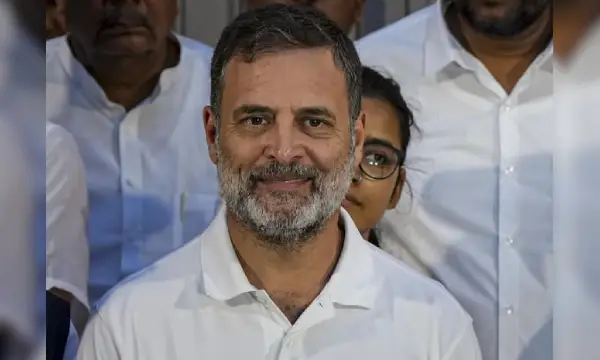
A Special MP/MLA Court in Uttar Pradesh’s Sultanpur on Monday acquitted Congress MP and Leader of the Opposition in the Lok Sabha Rahul Gandhi in a criminal defamation case over remarks he allegedly made against Union Home Minister Amit Shah in 2018.
Rahul was present in the court when Additional Civil Judge Shubham Verma pronounced the verdict, according to LiveLaw. The court held that the remarks were not defamatory in nature.
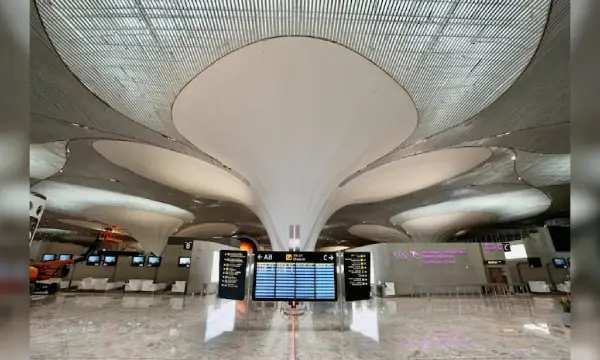
IndiGo and Air India Group on Sunday announced plans to shift about one-third of their international flights from Mumbai airport to Navi Mumbai between January and the summer of next year.
This is in contrast to foreign carriers who have opposed the proposed relocation.

US President Donald Trump on Sunday escalated his invective against Norway, calling it a "shit house country" and saying Norwegian immigrants are not welcome in the United States because the Nobel committee, based in the capital Oslo, has not awarded him a Peace Prize.
Trump made the comments at a political rally in Port Huron, Michigan, ahead of next week's midterm elections.

Cyclone Arnab has moved west-northwestwards over Eastcentral and adjoining Southeast Bay of Bengal in the past six hours, and is expected to make landfall on Andhra Pradesh coast around October 28, intensifying into a 'severe cyclonic storm', the Indian Metrological Department (IMD) said on Monday.
It is very likely to move northwestwards, intensify further into a very severe cyclonic storm and reach Westcentral Bay of Bengal near Andhra Pradesh coast around morning of 28th October, 2026.
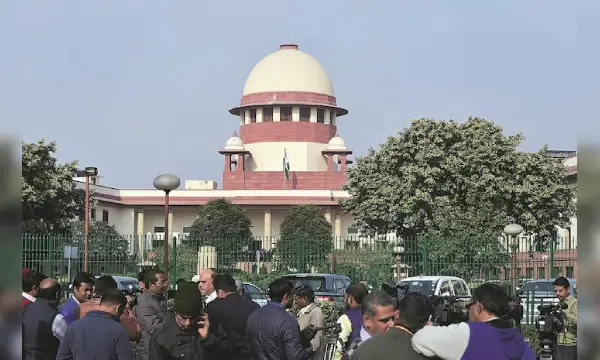
The Supreme Court-appointed High Powered Enquiry Committee (HPEC), probing the alleged violence during the July Jantar Mantar protests, will hold a two-day sitting here on October 29 and 30 to hear affected persons and record evidence on the alleged use of pellet guns and harassment of female protesters, officials said on Saturday.
The panel will hold its proceedings from 11 am onwards at its office at Shiksha Sadan, 17 Rouse Avenue Institutional Area, they said.