US lawmakers near deal to ban Chinese cars, target bill by year-end
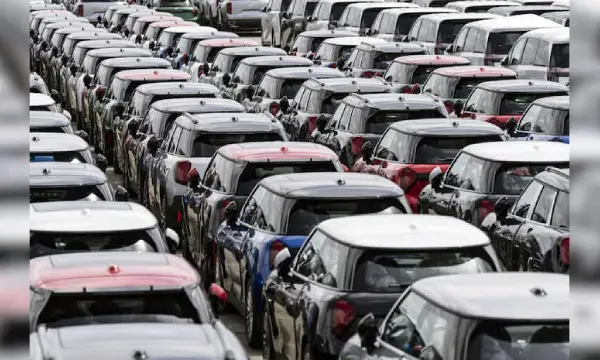
Lawmakers in Washington are closing in on a deal to ban Chinese cars from the US, according to people familiar with the matter, following last-minute negotiations aimed in part at sparing Mercedes-Benz Group AG, which is nearly 20 per cent owned by Chinese entities.
Republicans and Democrats from auto-producing states behind the effort aim to send a bill to President Donald Trump’s desk by the end of the year, said the people, who asked not to be identified because the deliberations are private. If enacted, the profitable US car market would be walled off to automakers such as BYD Co. and Geely Automobile Holdings Inc., whose low-cost, technology-packed electric vehicles have rapidly gained market share in Europe and South America.
Chinese cars are effectively shut out of the US because of steep tariffs and restrictions on Chinese vehicle technology imposed by the Commerce Department. Enshrining a ban into law would take those measures a step further to address growing concerns about national and economic security threats posed by China’s ambition to dominate the global auto industry.
Details about the measure are still being hammered out. Republican Senator Bernie Moreno on Wednesday briefed automaker representatives on changes under consideration to earlier legislation that aimed to block Chinese connected vehicles from the US, including provisions that would shield Mercedes from an outright ban, said the people.
Automaker representatives were broadly supportive of the effort Moreno described, though a Mercedes official voiced reservations and negotiations remain underway, the people said. Proponents are working to pass the measure before the next Congress begins in January, the people said.
“We continue to meet with all stakeholders who have a shared interest in ensuring this important legislation becomes law in this Congress,” Mercedes said in a statement.
A bill advanced by a Senate panel earlier this year would have prohibited manufacturers that are more than 15 per cent owned by Chinese entities from selling cars equipped with technology that can transmit data. Mercedes, which has lobbied for changes to that bill, is nearly 10 per cent owned by China’s BAIC Motor Corp., a state-owned carmaker.
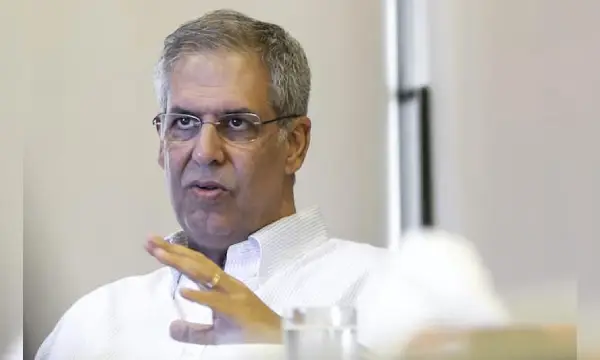
Li Shu Fu, the billionaire founder of Chinese carmaker Geely, also holds nearly 10 per cent of Mercedes’ shares, putting the company above the earlier bill’s 15 per cent threshold.
Lawmakers are in talks with multiple parties, including Mercedes, and have expressed optimism that an agreement could be reached as early as this week, said one person close to the talks who asked not to be identified. Provisions under discussion include looser rules for companies with passive ownership stakes that lack voting power and how such an approach would be structured and verified.
The White House did not respond to requests for comment.
Republican Senator Katie Britt of Alabama, a major hub of Mercedes’ sport utility vehicle production, said she has worked through the bill with Moreno and believes both Mercedes and Alabama will be protected.
“We understand that there will be some adjustments that have to be made, but feel good about Mercedes continuing to be able to thrive in our state and across the country,” she said.
Banning Chinese cars would also run counter to a more permissive approach taken by Europe and Canada. Chinese automakers have quickly made inroads in Europe, in particular, leading to intense competition with homegrown brands. The EU has started to pull back after Chinese automakers rapidly expanded their share of the market there, reaching an agreement last month with China to curb imports of hybrid vehicles into the bloc.
Other Latest News

SAHI, a technology-led stockbroking platform backed by Accel and Elevation Capital, has launched Sahicharts, a browser-based charting platform offering Indian traders and investors free access to market analysis tools.
The platform works on desktop and mobile browsers without requiring an app installation. It provides real-time market data for NSE indices, futures and options (F&O) stocks and options.
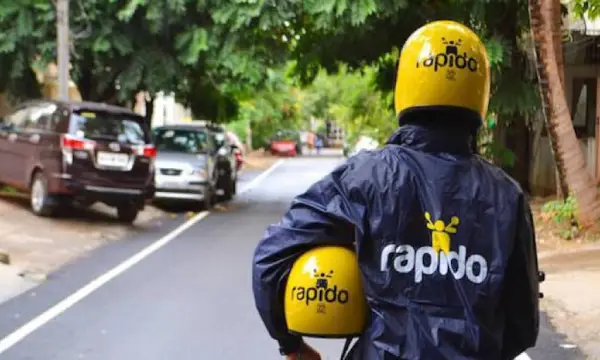
The Supreme Court on Friday dismissed the Karnataka government's appeal against the Karnataka High Court's decision to allow bike taxi services to operate in the state.
A Bench of Justices Satish Chandra Sharma and N Kotiswar Singh passed the order, upholding the high court's January 23 judgment that lifted the ban on bike taxis and allowed operators to apply for permits to run the services, Bar and Bench reported.
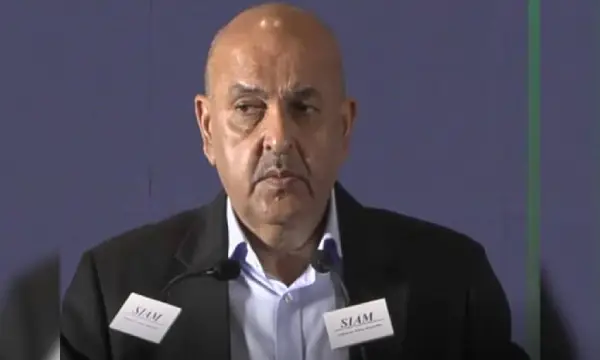
Tarun Kapoor, advisor to the Prime Minister, on Friday flagged lack of cooperation from electricity distribution companies in scaling the electric vehicle charging network in the country.
He also said the government is open to additional funding for the charging infrastructure if required.

Oil prices edged higher on Friday, though set for a weekly decline, as concerns over supply disruptions grew following Houthi attacks on Saudi Arabia's capital Riyadh and reports of tanker disruptions in the Strait of Hormuz.
Brent crude futures rose 24 cents, or 0.3 per cent, to $92.22 a barrel by 0118 GMT.
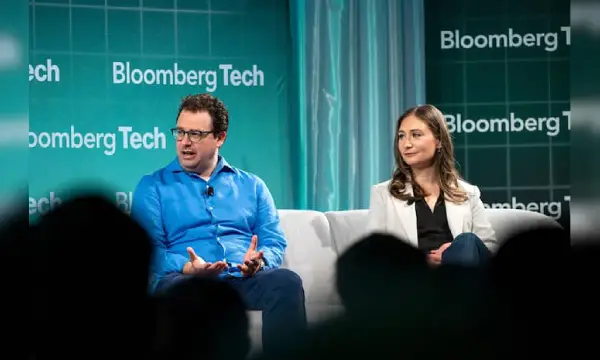
Anthropic PBC’s record-breaking IPO has pushed the combined wealth of its seven co-founders to $166 billion as shares of the AI lab jumped following its debut.
The stock, which priced at $83 a share, closed Thursday at $97.17 in New York trading, valuing each founder’s fortune at about $24 billion, according to the Bloomberg Billionaires Index.